
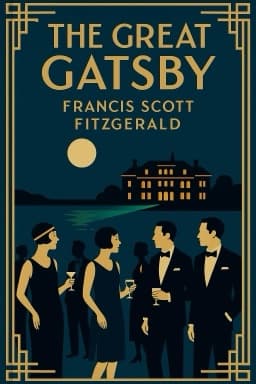
The Great Gatsby Unveiled: The Dark Truth Behind the Roaring Twenties’ Glamour
Discover the hidden layers of F. Scott Fitzgerald’s masterpiece and what it reveals about wealth, love, and the elusive American Dream.

The Great Gatsby, set against the dazzling backdrop of 1920s America, is more than just a tale of lavish parties and forbidden love — it is a profound exploration of the American Dream and its discontents. F. Scott Fitzgerald paints a vivid picture of a society intoxicated by wealth and status, yet riddled with moral ambiguity and decay. At the heart of this narrative lies Jay Gatsby, a man whose extraordinary hope and ambition embody both the promise and the peril of the era.
Fitzgerald uses the geographic divide between East Egg and West Egg to symbolize the clash between old money and new money, tradition and innovation. West Egg's glittering mansions, including Gatsby’s own, are the playgrounds of the newly rich who strive to rewrite their destinies. In contrast, East Egg represents the established elite, guarding their inherited privileges with disdain. This social stratification is not just a backdrop but a driving force behind the characters’ conflicts and desires.
The green light across the bay is one of the novel’s most powerful symbols — a beacon of Gatsby’s unreachable dreams and the broader American ideal of endless possibility. Yet, Fitzgerald does not present this dream as purely hopeful; it is tinged with illusion and inevitable disappointment. Gatsby’s relentless pursuit of Daisy, a symbol of both love and status, reveals the fragility of dreams built on illusion and the harsh reality of social barriers.
Moreover, the Valley of Ashes introduces a grim counterpoint to the glittering parties, representing the moral and social decay lurking beneath the surface of prosperity. The watchful eyes of Doctor T. J. Eckleburg loom as a haunting reminder of lost spirituality and the consequences of unchecked ambition. This stark imagery challenges readers to reflect on the costs of the American Dream when divorced from ethical considerations.
Through Nick Carraway’s reflective narration, readers witness the complexities of human nature — the interplay of hope, deception, love, and loss. Nick's reserved judgment and moral clarity provide a lens to understand the flawed yet compelling characters around him. His ultimate disillusionment with the East’s superficiality and moral decay leads to a poignant critique of the era’s values.
In conclusion, The Great Gatsby remains a timeless masterpiece because it captures the eternal human struggle between aspiration and reality, identity and illusion. Its rich symbolism, complex characters, and incisive social commentary invite readers to explore the enduring questions about the nature of success, love, and the American Dream. Whether you are a first-time reader or revisiting this classic, its lessons resonate with the challenges of any era.
For further reading on the themes and symbolism, see sources such as PrepScholar’s analysis of Gatsby’s themes, College Transitions’ expert breakdown, and BookAnalysis.com’s deep dive into the novel’s symbols. 1 2 3
Want to explore more insights from this book?
Read the full book summary