
Why Gatsby’s Parties Were More Than Just Wild Nights: A Deep Dive Into Jazz Age Excess
Step inside the roaring parties of Gatsby’s world and uncover what they reveal about society, identity, and illusion in the 1920s.

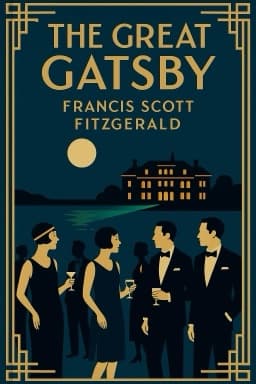
Few images are as iconic as the roaring parties at Gatsby’s mansion — a kaleidoscope of music, lights, and endless champagne. But beyond the surface of these glittering nights lies a complex social commentary on the Jazz Age and its contradictions. Fitzgerald’s depiction of these gatherings captures both the exhilaration and the emptiness of a society caught between liberation and moral decline.
Most guests at Gatsby’s parties were not formally invited; they simply showed up, drawn by curiosity and the promise of spectacle. This openness reflects the era’s loosening social codes but also underscores the chaotic, impersonal nature of the events. The music ranged from lively jazz to operatic performances, creating an eclectic soundtrack that mirrored the cultural vibrancy and social stratification of the time.
Yet, despite the crowds and the revelry, Gatsby himself often remained apart — an enigmatic figure whose parties were less about celebration and more about crafting an image. The contrast between the host’s loneliness and the superficial gaiety of his guests highlights the theme of illusion versus reality. Many attendees were attracted not by Gatsby’s personality but by the allure of wealth and status, making the parties a microcosm of the era’s social dynamics.
The excesses of these nights — the overflowing drinks, the lavish decorations, the swirling dancers — mask a deeper sense of dissatisfaction and yearning. The parties become a stage where characters perform roles in a drama of desire, ambition, and identity. This spectacle of excess is both a celebration and a critique of the Jazz Age’s cultural moment.
Understanding Gatsby’s parties offers a window into the social fabric of 1920s America — a time of rapid change, cultural experimentation, and moral ambiguity. It invites readers to consider how public spectacle can conceal private despair and how the pursuit of pleasure often coexists with a search for meaning.
For more detailed cultural and thematic analysis, check out insights from College Transitions and GradesFixer on the social and moral themes in The Great Gatsby. 2 4
Want to explore more insights from this book?
Read the full book summary