
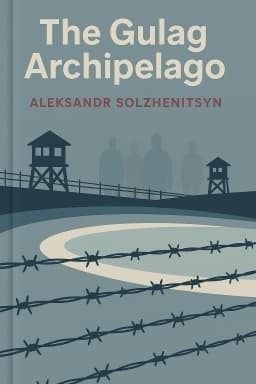
From Arrest to Exile: The Relentless Journey Through the Soviet Gulag System
Tracing the brutal path from sudden arrest through interrogation, camp life, and exile

The journey into the Soviet Gulag system was a relentless ordeal beginning with a sudden, often nighttime arrest that shattered lives without warning. Solzhenitsyn’s The Gulag Archipelago chronicles this terrifying moment where individuals were torn from their homes and thrust into a world of fear and uncertainty.
Following arrest, prisoners faced brutal interrogations designed to extract confessions through torture and psychological pressure. These confessions, often fabricated, formed the basis for convictions and sentencing to forced labor camps.
Life in the camps was marked by grueling work in harsh climates, starvation, and a social order forged in suffering. Despite this, prisoners created a culture of solidarity and resilience that sustained them. Women prisoners faced additional hardships but also played vital roles in maintaining morale.
Release from the camps was often not the end. Many endured years of exile in remote, desolate regions under surveillance, isolated from family and society. This extended punishment further fractured lives and communities.
Through Solzhenitsyn’s narrative and historical insights, this blog explores the full arc of repression in the Gulag system, revealing both its systemic cruelty and the enduring human spirit that resisted it.
Want to explore more insights from this book?
Read the full book summary