
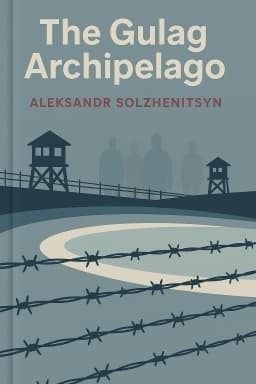
Why 'The Gulag Archipelago' Is Still the Most Important Book You’ve Never Read
Exploring the timeless relevance of Solzhenitsyn’s masterpiece for today’s world

Alexander Solzhenitsyn’s The Gulag Archipelago is widely regarded as a monumental work that helped expose the brutal realities of Soviet repression. Yet, it remains unread by many who could benefit from its profound lessons.
This book is not just a historical record but a spiritual and moral reckoning. It reveals how totalitarian regimes use terror, lies, and dehumanization to maintain control. Solzhenitsyn’s vivid descriptions of arrest, interrogation, and camp life offer a window into the depths of human cruelty—and resilience.
The impact of the book was far-reaching. Its publication contributed to delegitimizing the Soviet regime, inspiring reform movements and shaping global human rights conversations. The moral complexity Solzhenitsyn presents challenges readers to see beyond simplistic binaries and recognize the nuanced struggles within both victims and perpetrators.
Reading The Gulag Archipelago today is a call to vigilance. It reminds us that the line between good and evil runs through every human heart and that freedom must be actively preserved. The book’s themes of hope, endurance, and moral courage resonate across time, offering invaluable insight into the human condition and the perils of unchecked power.
Engaging with this work is not just an intellectual exercise but a moral imperative. It equips us to recognize and resist oppression in all its forms.
Want to explore more insights from this book?
Read the full book summary