
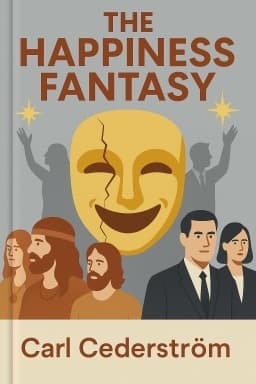
Pleasure, Power, and Politics: The Gendered Roots of the Happiness Fantasy
How male entitlement shaped our cultural ideas of happiness and its political consequences

Happiness is not gender-neutral. Carl Cederström’s The Happiness Fantasy reveals how male entitlement has shaped cultural ideals of pleasure and power, influencing everything from sexual liberation to contemporary politics.
In the mid-20th century, Playboy magazine and its lavish parties popularized a vision of sexual freedom centered on male pleasure and dominance. This narrative often sidelined women’s experiences and reinforced entitlement. Yet, despite promises of liberation, many men found themselves lonely and dissatisfied after the sexual revolution, revealing the limits of individualistic happiness ideals.
Today, figures like Donald Trump embody a new iteration of this happiness fantasy, blending authenticity, hedonism, and authority. His rhetoric of 'untapped potential' draws from the 1960s human potential movement but is deployed in ways that exclude and marginalize, highlighting the political appropriation of happiness discourse.
Feminist critiques challenge these narratives, advocating for a reimagined happiness that includes empathy, vulnerability, and collective well-being. This ongoing struggle underscores that happiness is a contested cultural construct shaped by power and identity.
For readers interested in the intersections of gender, culture, and politics, this analysis offers a critical lens on how happiness fantasies shape societal dynamics.
References: Vox article, Goodreads.
Want to explore more insights from this book?
Read the full book summary