
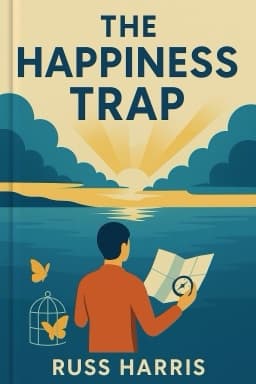
Caught in the Cycle: How Your Attempts to Avoid Pain Are Making It Worse
Discover the paradox of control and learn why trying to fix your feelings often backfires.

Have you ever noticed that the more you try not to feel anxious, sad, or angry, the more these feelings seem to take over? This frustrating experience is not your fault. It’s a natural consequence of the mind’s resistance to unpleasant emotions, a phenomenon known as experiential avoidance.
Imagine an itch caused by eczema. Scratching might bring immediate relief, but it actually worsens the inflammation, causing more itching in a vicious cycle. Similarly, when we attempt to suppress or avoid painful emotions, we often amplify their intensity and duration.
These control strategies fall into two categories: fight strategies, where we battle our internal experiences, and flight strategies, where we escape or hide from them. While these tactics may offer short-term relief, they often lead to increased psychological distress, damaged relationships, and a diminished quality of life.
For example, someone who fears social rejection might isolate themselves to avoid anxiety, but this isolation deepens feelings of loneliness and rejection. Another person might use substances to numb emotional pain, only to find their suffering worsens over time.
Understanding this paradox is crucial. It reveals why traditional advice to 'just think positive' or 'snap out of it' often fails and can even cause harm. Instead, we need new approaches that accept the presence of difficult feelings without letting them control us.
This blog will introduce you to these concepts and prepare you to explore Acceptance and Commitment Therapy’s six core principles, which offer a pathway out of these damaging cycles.
References: Positive Psychology's ACT book list, Reddit discussions on ACT, and Amazon reviews highlight the practical relevance of these ideas in therapy and everyday life. 1 3 4
Want to explore more insights from this book?
Read the full book summary