
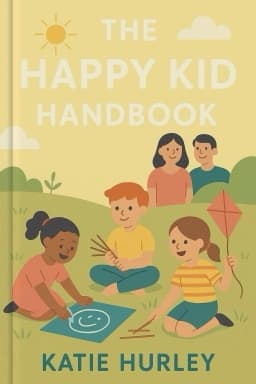
The Surprising Science Behind Raising Happy, Resilient Kids (And Why Most Parents Get It Wrong!)
Unlock the secrets to joyful, confident children—backed by research and real-life stories.

Every parent wants their child to be happy. But what if the path to true happiness—and resilience—looks very different from what most of us imagine? For decades, parenting advice has focused on achievement, discipline, and protecting kids from disappointment. Yet, new research and the most insightful parenting books reveal a different story: happiness and resilience are built not by shielding children from life’s bumps, but by teaching them to navigate those bumps with confidence, creativity, and compassion.
Every Child is a Unique World
Forget the myth that there’s one right way to parent. The happiest, most resilient kids grow up in families that recognize and honor their individuality. Some children are naturally outgoing, others are quiet observers; some need extra time to warm up to new situations, while others dive in headfirst. The key is to observe, listen, and adapt. Fairness doesn’t mean sameness—it means meeting each child where they are and giving them what they need to thrive.
The Power of Messy Play
It turns out, play isn’t just fun—it’s the brain’s favorite way to learn. Unstructured, messy play boosts memory, creativity, and problem-solving skills. When children are allowed to make a mess, negotiate rules, and invent new worlds, they’re building the social and emotional muscles that will serve them for life. So next time you see toys scattered everywhere, remember: that’s the sound of brains growing!
Feelings Matter—A Lot
Emotional intelligence is a stronger predictor of lifelong success than IQ. Teaching children to name, understand, and express their feelings—even the tough ones like anger or sadness—sets them up for healthy relationships, academic achievement, and resilience. Use feelings charts, storytelling, and daily check-ins to help your child build a rich emotional vocabulary. And remember: all feelings are valid, and all are opportunities for growth.
The Art of Forgiveness
Forgiveness isn’t just about saying sorry—it’s about letting go of grudges and moving forward. Kids who learn to forgive experience less stress, better health, and stronger relationships. Teach your child that forgiveness is a process, not a one-time event, and that it’s something we do for ourselves as much as for others.
Speak Up, Shine Bright
Assertiveness is the balance between confidence and kindness. Role-play scenarios with your kids, model respectful communication, and celebrate diversity in your home. Children who feel empowered to speak up and embrace differences are better equipped to handle peer pressure, bullying, and the challenges of a rapidly changing world.
Growing Together—The Power of Family Rituals and Parental Self-Care
Small daily rituals—like family meals, bedtime stories, or sharing gratitude—build connection and security. And don’t forget: your own well-being is the emotional foundation of your family. When parents practice self-care and model emotional balance, children learn to do the same.
In the end, raising happy, resilient kids isn’t about being perfect—it’s about being present, curious, and willing to grow together. The science is clear: happiness is a practice, resilience is learned, and every family can thrive with the right tools and mindset.
Want to explore more insights from this book?
Read the full book summary