
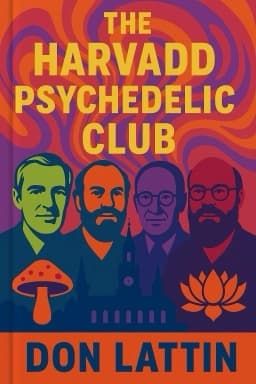
The Real Story Behind Harvard’s Psychedelic Scandal: Genius, Ego, and the Price of Innovation
Inside the faculty meetings, betrayals, and media firestorm that changed the course of American science.

Few academic controversies have burned as brightly—or as destructively—as the Harvard Psychedelic Club scandal. What began as a bold experiment in consciousness soon spiraled into a public spectacle, pitting visionaries against the establishment and friends against each other. How did it happen? And what can we learn from the fallout?
Timothy Leary and Richard Alpert were not content to play by the rules. Their experiments with psilocybin and LSD blurred the lines between science and spirituality, teacher and student, research and rebellion. They believed that only by sharing the psychedelic experience could true empathy—and true science—be achieved. But their radical methods, including taking drugs with undergraduates and inviting friends and family into sessions, alarmed their colleagues. Faculty meetings grew heated, with accusations of ethical breaches and favoritism. The administration, already wary of the growing media attention, launched an investigation.
Enter Andrew Weil, a brilliant undergraduate with a nose for news. His investigative reporting brought the project’s secrets into the public eye, igniting a media firestorm. Newspapers across the country ran headlines about Harvard’s 'drug professors,' and the university’s reputation hung in the balance. Ultimately, Leary and Alpert were dismissed—the first such firing in the 20th century. The scandal marked a turning point in American science, raising questions about the responsibilities of researchers, the risks of boundary-pushing innovation, and the role of the media in shaping public opinion.
Yet, for all its drama, the scandal was also a crucible for growth. The men at its center were forced to confront their own egos and mistakes, paving the way for later reconciliation and wisdom. The lessons learned—about humility, ethics, and the power of forgiveness—remain relevant today, as new generations of researchers grapple with similar dilemmas. The Harvard Psychedelic Club’s story is a reminder that innovation always comes at a price, and that the true test of genius is not just in what we discover, but in how we handle the consequences.
References: NY Times, Literary Lotus, Blinkist
Want to explore more insights from this book?
Read the full book summary