
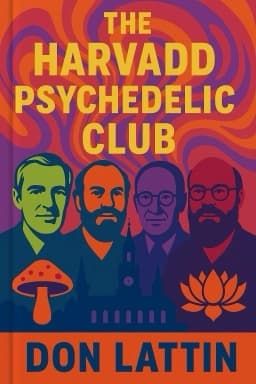
The Science and Spirit of Psychedelics: What the Harvard Club Got Right (and Wrong)
A deep dive into the breakthroughs, missteps, and ongoing debates in psychedelic research.

Psychedelics have always existed at the crossroads of science and spirit. The Harvard Psychedelic Club’s experiments in the 1960s were groundbreaking, revealing both the tremendous potential and the serious risks of these substances. What did they learn—and what can we learn today?
Early studies showed that psychedelics could induce profound mystical experiences, foster empathy, and even help treat addiction and depression. Participants reported feelings of oneness, ego dissolution, and spiritual awakening. Yet, the same substances could also trigger paranoia, existential crises, and lasting anxiety. The club’s willingness to break with tradition—taking drugs with their subjects, ignoring formal protocols—opened new doors but also led to disaster. Ethical lapses, media scandals, and institutional backlash shut down research for decades.
Today, the field is experiencing a renaissance. Scientists are conducting rigorous clinical trials, exploring the therapeutic potential of psychedelics for mental health. The lessons of the past—about humility, respect for the power of these substances, and the importance of integration—are guiding this new era. The story of the Harvard Psychedelic Club is a reminder that the pursuit of knowledge must be tempered by ethics and care.
References: NY Times, Literary Lotus, Blinkist
Want to explore more insights from this book?
Read the full book summary