
Why Every Writer Needs to Master the Hero’s Journey (And How to Do It)
Unlock the storytelling framework that powers the greatest myths and blockbusters, and learn how to craft your own epic tale.

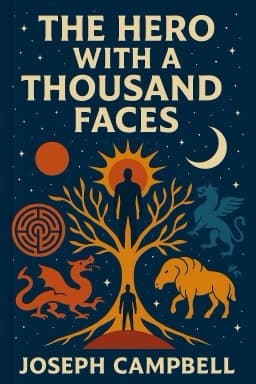
Every great story shares a secret — a blueprint that resonates deeply with audiences. This blueprint is the Hero’s Journey, a narrative framework popularized by Joseph Campbell that outlines the stages of transformation every hero undergoes. Writers who master this structure gain a powerful tool to craft stories that captivate and move readers.
The journey begins with the Call to Adventure, where the protagonist is invited beyond the ordinary world. This moment must feel compelling yet believable, creating tension between comfort and change. The hero’s initial refusal adds depth, showing vulnerability and internal conflict.
As the story progresses, the hero faces the Road of Trials, a series of escalating challenges that test resolve and reveal character. Introducing archetypes like the mentor, the goddess, or the shadow enriches the narrative and provides symbolic layers that engage readers on multiple levels.
The climax often involves an Atonement with the Father or ultimate confrontation, followed by the Apotheosis — the hero’s moment of transformation and insight. The Return phase challenges the hero to reintegrate and share the boon, completing the cycle.
To avoid clichés, writers should personalize the journey, grounding archetypes in authentic emotions and contemporary contexts. Remember, the Hero’s Journey is a map, not a formula — it invites creative interpretation and innovation.
Whether you’re crafting a fantasy epic, a memoir of personal growth, or a business story about overcoming challenges, the Hero’s Journey offers a universal language of transformation. By understanding and applying its principles, your stories can inspire, heal, and connect.
Embrace the hero within your characters and yourself. Let the journey guide your pen and your heart toward stories that endure.
Sources: ProWritingAid, Medium, Reddit 2 1 4
Want to explore more insights from this book?
Read the full book summary