
The Hidden Brain’s Role in Shaping Society: From Bias to Justice and Beyond
How unconscious mental forces influence social structures, justice, and political landscapes.

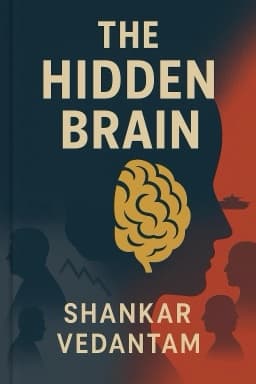
Society is a complex web of interactions, norms, and institutions, many of which are subtly shaped by the hidden brain — unconscious mental processes that influence attitudes and decisions far beyond individual awareness. Shankar Vedantam’s 'The Hidden Brain' shines a spotlight on these forces, revealing their pervasive role in perpetuating bias and shaping social justice.
Racial bias, often unconscious, affects everything from interpersonal interactions to legal outcomes. Research shows that defendants with stereotypically African features receive harsher sentences, and eyewitness misidentification fueled by bias leads to wrongful convictions. These realities challenge the ideal of impartial justice and call for systemic reforms.
Gender inequality also reflects hidden brain influences. Women face wage disparities and double standards in leadership due to unconscious stereotypes associating authority with masculinity. The Lilly Ledbetter case exemplifies how these biases translate into real-world inequities and legal battles.
Political behavior is similarly shaped by unconscious biases. Voters’ hidden racial attitudes predict candidate preferences beyond explicit beliefs, and political campaigns exploit coded language to activate these biases without overt references. This dynamic complicates efforts to foster honest political discourse and equitable representation.
Understanding the hidden brain’s role in these societal issues is crucial for meaningful change. Awareness can lead to targeted interventions, improved policies, and greater empathy. It urges us to look beyond conscious intentions and address the deep-rooted unconscious processes that sustain inequality.
By bringing these invisible forces to light, we can begin to build a society that values fairness, justice, and inclusion — a society where the hidden brain serves as a tool for understanding rather than division.
References: Analysis based on Shankar Vedantam’s 'The Hidden Brain' and interdisciplinary social science research. 1 3 4
Want to explore more insights from this book?
Read the full book summary