
7 Genius Habits That Will Transform Your Life (Backed by Science & History!)
Unlock the Proven Secrets of History’s Greatest Minds—And How You Can Apply Them Today
Unlock the Proven Secrets of History’s Greatest Minds—And How You Can Apply Them Today
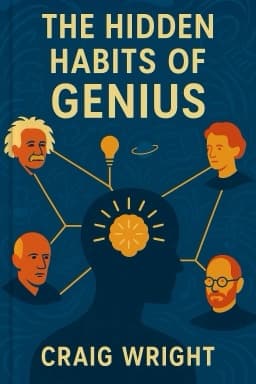
What if the difference between ordinary and extraordinary isn’t talent or luck, but daily habits that anyone can master? In 'The Hidden Habits of Genius,' Craig Wright shatters the myth that genius is a genetic lottery. Instead, he reveals how legendary figures—think Mozart, Darwin, and Jobs—relied on a set of learnable, repeatable habits to fuel their breakthroughs. But these aren’t just historical anecdotes. Modern science backs them up, showing that creativity, resilience, and even world-changing vision can be cultivated by anyone willing to embrace these principles.
Curiosity Over Conformity: The world’s greatest minds never stop asking why. From Einstein’s childlike questions to Da Vinci’s endless notebooks, curiosity is the engine of innovation. Genius isn’t about knowing all the answers—it’s about never losing the hunger to explore new ones.
Imagination and Play: Many breakthroughs happen not in the lab, but in moments of play and relaxation. Studies show that downtime and playful experimentation allow the brain to make new connections. Don’t be afraid to doodle, build, or daydream—these moments could spark your next big idea.
Resilience and Grit: Every genius has faced setbacks, failures, and even ridicule. What sets them apart is the ability to persist, adapt, and reinvent. Edison famously tested thousands of materials before inventing the lightbulb. The lesson: embrace failure as feedback, not defeat.
Daily Rituals and Obsession: Great minds are creatures of habit. From Beethoven’s coffee ritual to Maya Angelou’s strict writing schedule, consistent routines create space for creativity to flourish. Find your own daily practice—whether it’s journaling, walking, or meditating—and protect it fiercely.
Breaking Barriers and Bias: For centuries, cultural and gender biases kept countless geniuses in the shadows. Today, awareness is the first step to change. Support diverse voices in your circles and challenge stereotypes—you may be nurturing the next hidden genius.
Late Bloomers and the Myth of the Prodigy: Most geniuses are not child prodigies. Their best work often arrives after decades of learning, failing, and evolving. It’s never too late to find your spark.
Community and Collaboration: Genius rarely happens in isolation. Surround yourself with people who challenge, support, and inspire you. Share your ideas, seek feedback, and celebrate others’ successes as your own.
Ready to get started? Choose one habit today—ask a new question, carve out creative time, or reach out to a mentor. Genius is not a finish line; it’s a journey anyone can begin. For more, check out 'The Hidden Habits of Genius' and related research on creative thinking and personal growth.
Want to explore more insights from this book?
Read the full book summary