
Memes, Minds, and Marketing Magic: How Evolutionary Psychology Shapes Social Media Success
Harnessing the power of cultural evolution to make your brand go viral

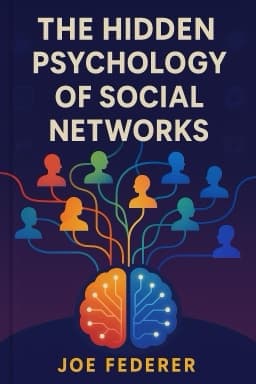
Memes are more than internet jokes—they are the fundamental units of cultural evolution, shaping how ideas spread and persist in human societies. Joe Federer’s The Hidden Psychology of Social Networks offers a compelling framework that likens memes to genes, evolving through replication and mutation within digital ecosystems.
The Evolutionary Nature of Memes
Just as genes transmit biological information, memes carry cultural information—ideas, behaviors, styles—that replicate across minds and networks. This process involves mutation, where memes change slightly to adapt to new contexts, and selection, where only the most resonant memes survive and spread.
Meme Machines: The Vehicles of Viral Content
Memes rely on meme machines—formats optimized for efficient transmission. Early internet memes standardized formats like Impact font image macros because they maximized readability and shareability. Understanding and designing effective meme machines is crucial for marketers aiming to create viral content.
Psychological Drivers of Sharing
Sharing memes fulfills fundamental human needs: expressing identity, signaling group membership, and eliciting emotional responses. Content that aligns with these drives is more likely to be shared and remembered.
Applying Evolutionary Insights to Marketing
Brands that embrace the evolutionary psychology of memes can craft content that resonates deeply and spreads organically. This involves creating value-driven, identity-affirming, and emotionally engaging content delivered through optimized meme machines, tailored to platform-specific audiences.
By harnessing the power of cultural evolution, marketers can turn fleeting trends into lasting social currency, building authentic relationships and brand equity in the digital age.
Sources: Goodreads, Amazon, SoBrief, Bagrounds 1 2 3 4
Want to explore more insights from this book?
Read the full book summary