
Unlocking the Secrets of Social Media: The Hidden Psychology Behind Viral Memes and Online Personas
How understanding memes and online identities can transform your brand’s social strategy

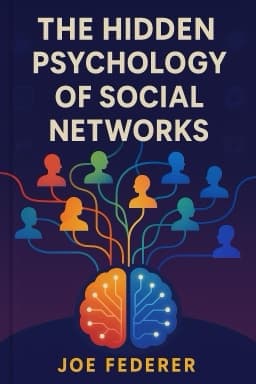
In the ever-evolving landscape of social media, understanding what makes content resonate and spread is both an art and a science. Joe Federer’s book, The Hidden Psychology of Social Networks, provides a fascinating framework that blends evolutionary biology, psychology, and neuroanatomy to reveal the underlying mechanisms driving online behavior.
Memes as Living Cultural Entities
At the heart of social media lies the concept of memes—not just the funny pictures we share but units of cultural transmission that behave like genes, replicating and evolving within digital ecosystems. Memes carry ideas, emotions, and social signals that adapt as they move through networks, much like biological evolution. This perspective helps marketers appreciate why certain content formats, or 'meme machines,' succeed in capturing attention and encouraging sharing.
The Many Faces We Wear Online
Joe Federer draws on Freud’s model of the psyche—Id, Ego, and Superego—to explain the different selves we present on social media platforms. On Facebook, users often display their Ego, managing their image carefully among known friends and family. Instagram showcases the Superego, where idealized versions of self are projected to wider audiences. Meanwhile, anonymous platforms like Reddit tap into the Id, allowing raw, instinctual expression free from offline identity constraints.
Designing Content That Adds Value
Effective social media content adds value—whether through practical utility (bookmarkable content) or identity expression (badgeworthy content). Incorporating narrative elements enhances emotional engagement and memorability, transforming passive viewers into active sharers. Brands that master these principles create authentic connections that ripple through social networks.
The Dance of the Brain: Left and Right Hemisphere Dynamics
Understanding brain lateralization enriches social media strategies. The logical left brain thrives on structured, identity-affirming content prevalent in Ego networks, while the creative right brain engages with novel, immersive experiences common in Id networks. Campaigns that balance these hemispheric appeals can maximize reach and resonance.
By integrating these psychological and neurological insights, marketers can craft campaigns that not only capture attention but also build lasting emotional bonds, driving authentic engagement and brand loyalty in a noisy digital world.
This blog has synthesized key ideas from Joe Federer’s work along with contemporary digital marketing trends to offer a rich, actionable understanding of social media psychology. For deeper exploration, the book itself is a treasure trove of insights for marketers, communicators, and anyone curious about the invisible forces shaping our online lives.
Sources: Goodreads, Amazon, SoBrief, Bagrounds 1 2 3 4
Want to explore more insights from this book?
Read the full book summary