
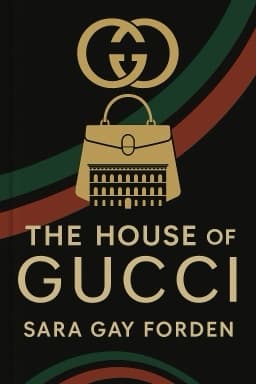
Corporate Battles & Comebacks: The High-Stakes Drama Behind Gucci’s Empire
Unveil the fierce corporate warfare and strategic genius that saved Gucci from hostile takeovers.

Luxury fashion is often perceived as a world of glamour and creativity, but beneath the surface lies a battlefield of corporate power plays and strategic maneuvers. Gucci’s history is punctuated by such high-stakes drama, particularly during the 1990s when the company faced a hostile takeover attempt by the luxury conglomerate LVMH.
Faced with the threat of losing control, Gucci’s leadership implemented an innovative Employee Stock Ownership Plan (ESOP), turning employees into shareholders and creating a formidable defense against LVMH’s advances. This move was groundbreaking in the luxury industry and demonstrated a commitment to both the brand’s people and its independence.
The battle extended beyond shareholding to legal disputes and public relations campaigns. Gucci forged a critical alliance with François Pinault, a rival to LVMH, whose support was instrumental in stabilizing the company. This partnership underscored the complex interplay of business diplomacy and survival instincts in protecting a brand’s heritage.
These corporate battles were about more than ownership; they were about safeguarding Gucci’s identity, values, and future. The leadership’s resolve to maintain control reflected a deep understanding that the brand’s soul was at stake. Their success in navigating this turbulent period set the stage for Gucci’s subsequent renaissance.
For those interested in corporate strategy and business resilience, Gucci’s story offers a compelling case study of innovation, alliance-building, and determination in the face of existential threats.
Sources: Business case studies and luxury brand analyses provide detailed accounts of Gucci’s corporate defense strategies. 1 3 4
Want to explore more insights from this book?
Read the full book summary