
Symbols That Spark Revolutions: The Mockingjay and Silent Rebellion in The Hunger Games
How subtle signs and symbols in The Hunger Games ignite hope and inspire defiance.

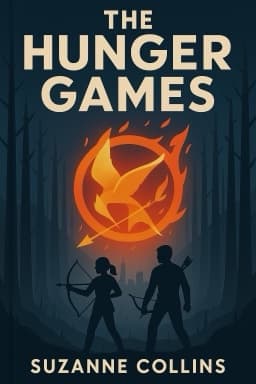
Symbols have the power to transcend words, becoming rallying cries that unite and inspire. In Suzanne Collins’ The Hunger Games, the mockingjay emerges as one of the most potent symbols of resistance. Originally a hybrid bird born from a Capitol experiment gone awry, the mockingjay represents unintended defiance — a reminder that the Capitol’s control is never absolute.
The three-finger salute, another subtle but powerful symbol, is used by District 12 residents as a gesture of respect, farewell, and protest. When Katniss volunteers for the Games, the crowd responds with this silent salute, a moment charged with emotion and meaning. This gesture quietly spreads across the districts, becoming a symbol of unity and rebellion.
Katniss and Peeta’s flaming entrance to the Capitol, with costumes that appear to be ablaze, creates a breathtaking spectacle that challenges the Capitol’s narrative of control. This visual statement captures the spirit of District 12 — fierce, proud, and unyielding.
Through these symbols, the story shows how small acts can ignite larger movements. The mockingjay pin, once a simple token, becomes a beacon of hope. The three-finger salute evolves into a silent rebellion that speaks louder than words. Together, they embody the possibility of change and the enduring spirit of resistance.
Understanding these symbols enriches our appreciation of the narrative’s depth and its commentary on power, control, and the human spirit. They remind us that even in the darkest times, hope can take flight and inspire revolution.
Sources: SparkNotes themes, Athena Commons analysis on symbolism and media, Aithor essay on dystopian rebellion 1 2 3
Want to explore more insights from this book?
Read the full book summary