
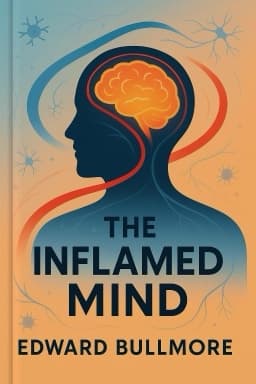
The Real Reason Stress Makes You Sick (And What to Do About It)
How Chronic Stress Fuels Inflammation and Low Mood

How Chronic Stress Fuels Inflammation and Low Mood
We all know the feeling: a looming deadline, a family crisis, or the endless notifications of daily life. Stress is everywhere, but its impact runs deeper than most realize. When stress becomes chronic, it doesn’t just weigh on your mind—it activates your immune system, flooding your body with inflammatory chemicals that can lead to exhaustion, brain fog, and even depression.
Scientists now understand that stress and inflammation form a vicious cycle. Stress hormones like cortisol initially help control inflammation, but over time, this system wears down. The immune system starts to overreact, releasing cytokines that can damage tissues and alter brain chemistry. The result? You feel tired, unmotivated, and emotionally flat—classic symptoms of depression.
But there’s hope. Research shows that lifestyle changes—like regular exercise, mindfulness meditation, and anti-inflammatory diets—can lower inflammation and improve mood. Social connection, restful sleep, and even certain medications can also help break the stress-inflammation cycle. The key is to treat your body and mind as partners, not adversaries.
By understanding how stress affects your immune system, you can take practical steps to protect both your mental and physical health. The path to resilience starts with compassion—for yourself, and for the hidden battles your body fights every day.
1
4
Want to explore more insights from this book?
Read the full book summary