
The Emotional Lives of Domesticated Animals: What Your Pet Wishes You Knew
How selective breeding and mutual care shape the feelings and needs of our animal companions.

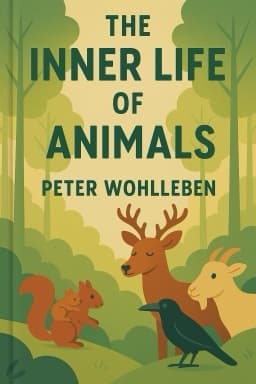
Our relationships with domesticated animals are complex tapestries woven from affection, utility, and deep emotional bonds. Peter Wohlleben’s The Inner Life of Animals reveals how selective breeding has not only altered animals’ physical traits but also their emotional needs and behaviors.
Selective breeding for companionship has created animals that crave human affection and comfort. Breeds like French bulldogs, for example, require more care and are prone to health issues due to genetic manipulation. Despite these challenges, domesticated animals often form strong emotional attachments to their human caregivers.
Working animals such as horses and shepherd dogs frequently display enthusiasm and satisfaction in their roles. Their cooperation with humans is built on trust and mutual respect, enriching both lives. Wohlleben emphasizes that these partnerships are not just about training but involve genuine emotional engagement.
Ethical considerations arise as we recognize the sentience of our animal companions. Understanding their emotional worlds urges us to provide better care, avoid exploitative practices, and foster environments that meet their psychological and physical needs.
By appreciating the emotional lives of domesticated animals, we deepen our bonds and enhance their welfare, creating a more compassionate coexistence.
Sources: 5 Minute Book Summary, Bookey, Four Minute Books, Blinkist 1 2 3 4
Want to explore more insights from this book?
Read the full book summary