
The Heartbreaking Reality of Animal Grief and What It Means for Our Ethics
Elephants mourn, dogs feel shame – why recognizing animal emotions demands compassion.

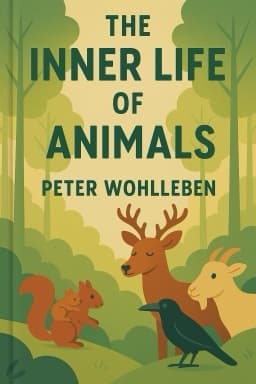
Animals are often thought of as lacking the depth of emotion humans experience, but Peter Wohlleben’s The Inner Life of Animals reveals a profoundly different story. Many species exhibit behaviors that indicate grief, mourning, and even complex emotions like shame and regret.
Elephants are renowned for their mourning rituals, gently touching and lingering over the bones of deceased herd members. Wolves howl in sorrow, and ravens attend to their dead with quiet presence. These acts suggest an awareness of mortality and deep social bonds.
Dogs and pigs have been observed displaying behaviors akin to shame and regret after social missteps, such as avoiding eye contact or showing submissive postures. These emotional responses imply a level of self-awareness and social cognition that challenges previous assumptions about animal minds.
Recognizing these emotional capacities demands a reevaluation of how we treat animals. Ethical responsibilities arise from acknowledging their sentience and the shared journey of life, suffering, and death. Compassionate treatment, welfare considerations, and conservation efforts become moral imperatives.
By embracing empathy for animals’ inner lives, we can foster a more just and harmonious coexistence, honoring the profound connections that unite all living beings.
Sources: 5 Minute Book Summary, Bookey, Four Minute Books, Blinkist 1 2 3 4
Want to explore more insights from this book?
Read the full book summary