
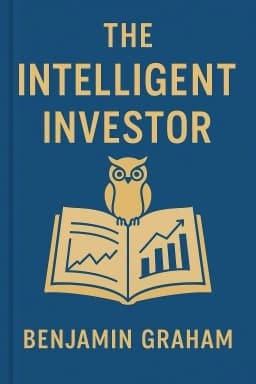
Mastering Market Cycles: How to Thrive Through Booms and Busts
Learn to recognize market patterns and make smarter investment decisions through history’s lessons.

The stock market is a living entity, pulsating through cycles of exuberance and despair. Understanding these cycles is essential to intelligent investing.
The Nature of Market Cycles
Over the past century, markets have experienced multiple cycles of growth and decline. The roaring 1920s gave way to the Great Depression, followed by decades of recovery and expansion. Each cycle teaches lessons about valuation, risk, and investor psychology.
Valuation Metrics: Your Investment Compass
Price-to-earnings ratios, dividend yields, and earnings growth rates provide signals about when markets are overvalued or undervalued. For example, extremely high P/E ratios often precede market corrections, while low valuations may indicate buying opportunities.
Patience and Discipline
Attempting to time the market is notoriously difficult. Instead, adopting a long-term perspective, maintaining diversification, and adhering to valuation principles help investors weather downturns and capitalize on recoveries.
Historical Examples
The post-World War II bull market, lasting nearly two decades, rewarded patient investors handsomely. Conversely, the tech bubble of the late 1990s showed the dangers of ignoring valuation metrics.
Conclusion
Mastering market cycles is less about prediction and more about preparation, discipline, and learning from history.
By embracing these lessons, you build resilience and confidence to thrive through all market seasons.
Sources: [[0]](#__0), [[2]](#__2), [[3]](#__3)
Want to explore more insights from this book?
Read the full book summary