
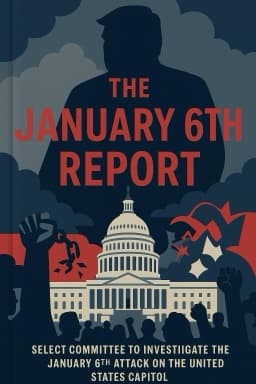
Inside the 'Big Lie': How Election Falsehoods Fueled a Capitol Siege
Unveiling the deliberate spread of misinformation that shook American democracy

The 2020 U.S. presidential election marked a pivotal moment in American history, not only for its outcome but for the unprecedented assault on democratic norms that followed. Central to this upheaval was the 'Big Lie'—the baseless claim that the election was stolen through widespread fraud. Despite overwhelming evidence to the contrary, these falsehoods were deliberately spread by former President Donald Trump and his closest allies, setting the stage for one of the darkest days in American democracy: the January 6th Capitol attack.
From election night itself, the Trump campaign had foreknowledge that the counting of mail-in ballots would erode the initial lead. Yet, in a premeditated move, the President declared victory prematurely and called the process fraudulent, demanding an immediate halt to vote counting. This strategy was not a spontaneous reaction but a calculated attempt to sow doubt and distrust among millions of Americans.
Legal challenges filed to contest the election results were overwhelmingly dismissed by courts across the political spectrum, including those presided over by judges appointed by Trump himself. These rulings consistently cited a lack of credible evidence, with some courts condemning the lawsuits as frivolous. Internally, senior campaign staff and Justice Department officials repeatedly informed the President that no evidence existed to overturn the election results, yet the public narrative remained one of defiance and denial.
The consequences of this misinformation campaign were severe. Extremist groups, emboldened by repeated calls to action and false promises, coordinated plans to disrupt the certification of the election results. Encrypted communications revealed detailed discussions about storming the Capitol and using force against law enforcement. Despite multiple intelligence warnings about planned violence, preparations to counter the threat were inadequate.
On January 6th, the culmination of months of falsehoods and mobilization erupted in a violent attack on the Capitol, fueled in part by the President's refusal to call off the rioters and his public pressure on constitutional actors to subvert the electoral process. The attack exposed vulnerabilities in democratic institutions and underscored the devastating power of misinformation when amplified by those in power.
This blog draws on the extensive findings of the January 6 Committee, investigative journalism from sources like The New York Times and NPR, and detailed legal analyses to provide a thorough examination of how the 'Big Lie' was constructed, spread, and weaponized. Understanding this chapter of history is crucial to safeguarding democracy against future threats and reaffirming the importance of truth, accountability, and the rule of law.
For more detailed insights, see NPR's coverage on the spread of the 'Big Lie' and the January 6 Committee's investigation, The New York Times' reporting on the legal battles and extremist coordination, and AP News' analysis of the ongoing impact of election misinformation. 1 3 4
Want to explore more insights from this book?
Read the full book summary