
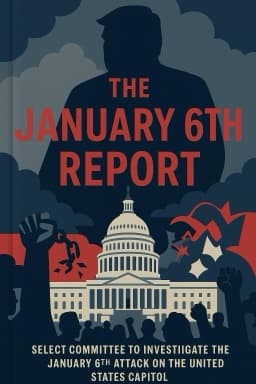
January 6th: The Day Democracy Hung in the Balance
An in-depth look at the President’s role and the critical moments during the Capitol siege

The storming of the U.S. Capitol on January 6th was a moment that tested the very foundations of American democracy. At the heart of this crisis was the role played by the former President, whose words and actions—or lack thereof—had profound consequences.
On that day, the President publicly pressured Vice President Mike Pence to reject certified electoral votes, despite Pence’s constitutional role being ministerial and legal counsel advising against such actions. Statements like, 'I hope Mike Pence does the right thing. Because if Mike Pence does the right thing, we win the election,' were interpreted by the crowd as calls to action, fueling anger and threats directed at Pence.
As rioters breached police lines and stormed the Capitol, Secret Service evacuated the Vice President and his family to safety. Inside the White House, aides, family members, and lawmakers pleaded with the President to call off the mob and restore order. For over three hours, these urgent requests went unanswered as the President watched the violence unfold on television.
A tweet sent during the attack publicly condemned Pence’s refusal to intervene, further inciting the mob. The failure to act decisively prolonged the violence, endangered lives, and obstructed the constitutional process of certifying the election results.
This blog draws extensively on the January 6 Committee’s findings, media reports, and firsthand testimonies to provide a detailed timeline and analysis of the President’s role. It serves as a sobering reminder of the critical importance of responsible leadership in safeguarding democracy.
For additional context, see The New York Times’ detailed timeline and NPR’s coverage of the leadership failures during January 6th. 1 3
Want to explore more insights from this book?
Read the full book summary