
The Three Fears That Paralyze Your Buyers—and How to Calm Them
A Deep Dive Into the Psychological Roots of Indecision

And How to Calm Them
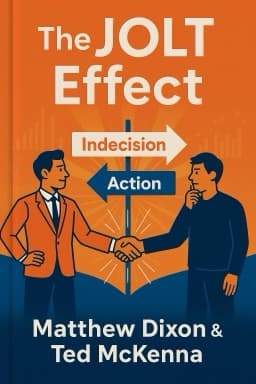
Imagine sitting across from a customer who wants what you’re selling, needs it, and can afford it—yet still can’t say yes. What’s really holding them back? According to groundbreaking research in 'The JOLT Effect,' the answer lies in three universal fears. The first is valuation confusion: the worry that, among all the good options, they’ll pick the wrong one. The second is information overload: the sense that no matter how much they learn, it’s never enough to feel truly certain. The third—and most powerful—is outcome uncertainty: the dread that, despite their best efforts, things just won’t work out.
These fears aren’t just theoretical. In real sales conversations, they show up as endless requests for more information, the need for 'just one more demo,' or the classic, 'I need to think about it.' Far from being signs of resistance, these are signals that your customer is seeking safety. Recognizing and responding to these cues is the first step to building trust.
So how can you help? Start by naming the fear. Normalize uncertainty and let your customer know it’s okay to feel unsure. Then, offer clear, confident recommendations, and gently limit the urge to keep searching for the perfect answer. Most importantly, provide safety nets—like trials, guarantees, or small pilot programs—to make the leap feel less risky.
When you address the real, human fears behind indecision, you don’t just close more deals—you create advocates who remember how you made them feel. In the end, the best salespeople aren’t just persuaders; they’re healers, helping customers find peace in their choices.
2
3
Want to explore more insights from this book?
Read the full book summary