
How Technology Changes What It Means to Know: The Digital Illusion
From Google to AI: Why the Internet makes us smarter—and more vulnerable to illusion.

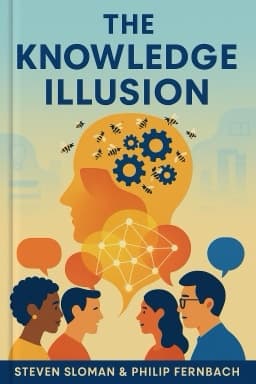
We live in an age of instant answers. Type a question into Google, and you’re flooded with information. But as The Knowledge Illusion warns, this convenience comes at a cost: we often mistake access to information for actual understanding 1 . Studies show that frequent Internet users are more likely to overestimate their knowledge, blurring the line between what’s in their heads and what’s just a click away.
Technology is an extension of our minds. It allows us to collaborate, innovate, and solve problems together at scales never before possible. No one person understands the entire Internet or a modern car—but together, we do. This distributed intelligence is our greatest asset. Yet, it also requires us to be humble, discerning, and aware of our limits 2 .
The book explores the ‘frame problem’ in artificial intelligence: computers struggle to know what matters and what doesn’t, while humans use context and intuition. As we build smarter machines, we must remember that true wisdom comes from asking the right questions, not just having the right answers 4 .
To thrive in the digital age, we need to balance convenience with critical thinking. Don’t just Google—reflect, discuss, and learn together. The future belongs to those who can harness technology’s power while remaining humble, curious, and connected.
Want to explore more insights from this book?
Read the full book summary