
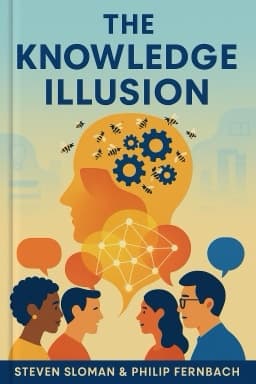
The Dangers of Overconfidence: How the Illusion of Knowledge Divides Us
Why thinking you know it all is society’s biggest blind spot—and how to fix it.
One of the most urgent lessons from The Knowledge Illusion is that overconfidence is not just a personal quirk—it’s a social epidemic. When individuals and groups believe they understand complex issues more deeply than they do, it leads to polarization, conflict, and avoidable mistakes 4 . Political debates become shouting matches, organizations miss warning signs, and communities fracture over misunderstood issues.
The authors describe how asking people to explain their reasoning in detail often reveals surprising gaps in understanding—and this simple act can make people less extreme in their views. In politics and business, fostering a culture of curiosity and humility can reduce groupthink and promote wiser, more inclusive decisions 1 .
But the illusion of knowledge is stubborn. It’s reinforced by social media echo chambers, partisan news, and the natural tendency to seek confirmation rather than challenge. The antidote? Encourage reflection, invite questions, and reward intellectual humility. The healthiest communities are those where it’s safe to say, ‘I don’t know—let’s find out together.’
Ultimately, ‘The Knowledge Illusion’ is a call to action: if we want a less divided, more resilient society, we must first admit how much we don’t know. Only then can we build bridges—across chasms of misunderstanding, and toward a wiser, more compassionate world.
Want to explore more insights from this book?
Read the full book summary