
Inside the Baby Brain: How Children Invent Language (And Why It Matters for Us All)
The Surprising Science of How Kids Build the World’s Languages

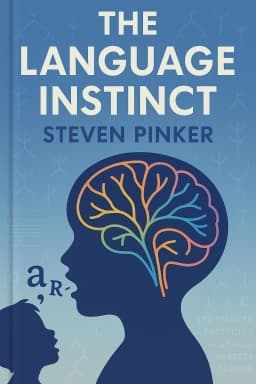
Every parent marvels at a child’s first words, but few realize the genius unfolding behind the scenes. Steven Pinker’s ‘The Language Instinct’ reveals that children are not just learning language—they are inventing it. Their minds are wired to create grammar, fill in gaps, and build complex systems from the simplest input.
The Critical Period
The brain is most receptive to language in early childhood. Miss this window, and full fluency may never be achieved. Pinker shares stories of children who, deprived of language until later, struggle for life to master it. For most, though, language blooms effortlessly—proof of the mind’s hidden blueprint.
Children as Language Architects
Kids exposed to broken speech or pidgins don’t just imitate—they invent grammar, regularize irregularities, and create expressive systems. Deaf children, left without formal sign language, invent their own. The creative force of young minds is the engine behind language evolution.
Why Early Exposure Matters
Parents and educators should focus on rich, meaningful interaction, not just repetition or ‘baby talk.’ Children thrive on engagement, stories, and play. The best gift you can give is a language-rich environment.
Conclusion: The Future Is in Their Words
The next time you hear a child’s babble, remember: you’re witnessing the birth of a new language. Support, celebrate, and marvel at the creativity of the youngest minds—they are shaping the way we all speak tomorrow.
Want to explore more insights from this book?
Read the full book summary