
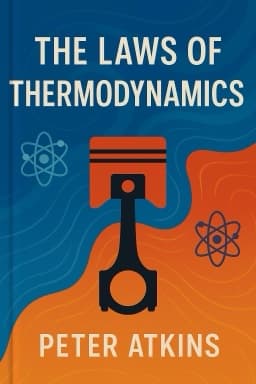
From Heat to Life: How Thermodynamics Powers Our Existence
Connecting Physical Laws to the Vital Processes of Life and Well-being

Thermodynamics is often viewed as a branch of physics, but its impact extends deeply into biology, health, and philosophy. The laws that govern energy and entropy also power the processes that sustain life, shape ecosystems, and influence our well-being. Understanding these connections offers a holistic view of existence.
Energy and Metabolism
Life depends on transforming energy efficiently. Metabolic pathways convert food into usable energy, guided by Gibbs free energy. This energy drives cellular functions, repair, and growth. Disruptions in energy flow can affect health, making thermodynamics relevant to medicine and nutrition.
Entropy and Aging
Entropy’s influence extends to aging and disease. As systems accumulate disorder over time, biological structures degrade. However, organisms counteract entropy by repairing damage and maintaining order. This dynamic balance is central to understanding health, longevity, and the effects of lifestyle.
Philosophical Reflections
Thermodynamics invites reflection on the nature of change, time, and existence. The irreversible flow of entropy parallels life’s journey, inspiring philosophical insights about impermanence and transformation. Embracing these ideas can foster resilience and acceptance.
Practical Applications
Applying thermodynamic principles can improve health and sustainability. Energy-efficient lifestyles, mindful consumption, and ecological awareness align with natural laws, promoting harmony between humans and the environment.
Conclusion: The Science of Life’s Energy
Thermodynamics connects the physical and living worlds, revealing how energy and entropy shape existence. By integrating these insights, we gain a deeper appreciation of life’s complexity and the pathways to health and sustainability.
Sources: The Laws of Thermodynamics: A Very Short Introduction (Goodreads), Thermodynamics-Everyone (C&EN), The Best-Selling Thermodynamics Books (BookAuthority)
Want to explore more insights from this book?
Read the full book summary