
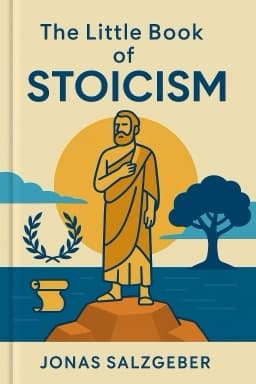
From Ancient Greece to Your Daily Grind: Why Stoicism is the Ultimate Life Hack
Learn how the ancient Stoics’ practical wisdom can help you conquer stress, boost productivity, and find lasting happiness.

The Stress Epidemic and Ancient Solutions
Modern life is riddled with stressors—from work deadlines to social pressures—that leave many feeling overwhelmed. Yet, the solution lies in an ancient philosophy designed precisely to help people live well amid uncertainty: Stoicism. This philosophy’s core teaching is deceptively simple—focus on what you can control and accept what you cannot.
Daily Stoic Habits for Productivity and Calm
Incorporating Stoic practices like morning intention setting, evening reflection, and voluntary discomfort can dramatically improve focus and emotional balance. Morning reflection primes the mind for challenges, while evening review fosters learning from mistakes. Voluntary discomfort, such as cold showers or fasting, builds mental toughness and appreciation for comfort.
These habits create a feedback loop of growth, helping you respond to stress with clarity rather than panic.
Mastering Emotions to Boost Performance
Negative emotions often sabotage productivity. Stoicism’s insight that emotions stem from our judgments allows us to intercept destructive impulses. For example, reframing a stressful deadline as a challenge rather than a threat can transform anxiety into motivation.
Embracing Change and Uncertainty
Stoicism’s acceptance of impermanence helps reduce fear of failure and loss. Negative visualization—imagining potential setbacks—prepares the mind emotionally, making actual difficulties less disruptive. This mindset encourages boldness and adaptability, key traits for success in a rapidly changing world.
Conclusion: Your Stoic Life Hack Awaits
By adopting Stoic principles and routines, you equip yourself with powerful tools to handle stress, improve productivity, and cultivate lasting happiness. The ancient wisdom of Stoicism is more than philosophy—it is the ultimate life hack for thriving in the modern age.
Want to explore more insights from this book?
Read the full book summary