
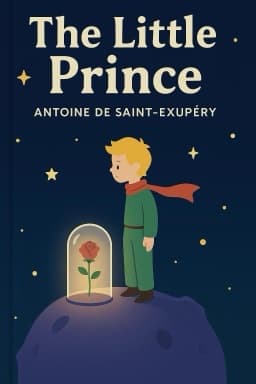
Why 'The Little Prince' Is More Than a Children's Tale: The Hidden Philosophies You Never Noticed
Unpacking the profound lessons behind the charming story of a boy from another planet.

At first glance, 'The Little Prince' seems like a charming story about a small boy with golden curls wandering from planet to planet. Yet, this beloved novella by Antoine de Saint-Exupery is a profound meditation on what it means to be human.
The story begins with a pilot stranded in the Sahara desert, who encounters the mysterious Little Prince. This meeting opens a gateway into a world where imagination and reality intertwine. The narrator’s early experiences with misunderstood drawings symbolize a broader theme: adults tend to lose their sense of wonder and imagination as they grow older. Through the Prince’s eyes, we see a critique of grown-up preoccupations — power, vanity, materialism — which are portrayed as absurd and empty pursuits.
One of the most poignant lessons comes from the Prince’s relationship with his rose. Though surrounded by thousands of identical roses on Earth, he realizes that his rose is unique because of the time and love he has invested in her.
The fox’s secret about taming further deepens this message. Friendship is not about possession but about creating ties that make someone irreplaceable.
Want to explore more insights from this book?
Read the full book summary