
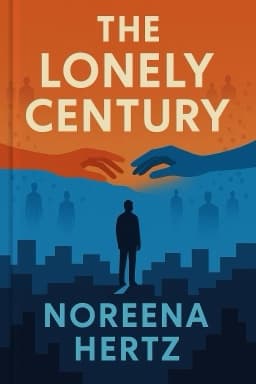
The City of Strangers: Why Urban Life Makes Us Lonely and How To Fight Back
Exploring the paradox of loneliness in crowded cities and strategies to reclaim connection in urban spaces.

Urban life is a paradox. Cities teem with millions of people, yet loneliness thrives.
Over half of residents in cities like Manhattan live alone, a trend driven by economic factors and lifestyle choices. While solo living offers independence, it also increases risks of isolation, especially during vulnerable times.
Fast walking speeds and a culture of polite distance reduce spontaneous interactions. People often retreat into their phones, creating digital bubbles that separate rather than connect.
Some turn to digital substitutes like mukbang videos to simulate companionship, but these commercialized interactions lack the authenticity of real human connection.
Urban loneliness challenges us to rethink city design. Stabilizing housing, reclaiming public spaces, and fostering micro-interactions like friendly greetings or brief chats can rebuild social fabric.
By prioritizing community and connection, cities can transform from places of isolation into vibrant, inclusive homes for all.
Want to explore more insights from this book?
Read the full book summary