
The Surprising Truths About Living a Long Life: What 80 Years of Research Reveals
Forget Fad Diets: The Real Keys to Longevity Are Hiding in Plain Sight

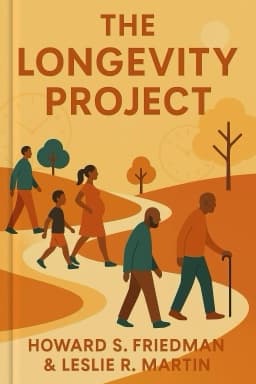
For generations, people have searched for the magic bullet to a long and healthy life. From kale smoothies to high-intensity interval training, the quest for longevity has often been shaped by the latest trend or headline. But what if the real answers were far simpler—and far more profound? Drawing from 'The Longevity Project,' a landmark eight-decade study, this blog unpacks the real science behind what keeps us alive and thriving.
The Power of Personality: Why Conscientiousness Matters
It might surprise you to learn that the most important predictor of a long life isn’t a superfood or a supplement—it’s conscientiousness. Children who were prudent, reliable, and persistent outlived their more carefree and cheerful peers. These traits led to better decision-making, healthier relationships, and a greater ability to weather life’s storms. In fact, the data shows that conscientiousness is a stronger predictor of longevity than even traditional markers like cholesterol or blood pressure.
Relationships: Quality Over Quantity
Another myth shattered by the research is the idea that simply being married or having a large social circle guarantees a longer life. The truth is, it’s the quality and stability of your closest bonds that matter most. Steadily married men, for instance, benefited from the emotional and practical support of their partners, while women often thrived after leaving unhealthy relationships. Supportive friendships and community ties also played a crucial role in fostering resilience and promoting good health.
Habits That Last: Why Fads Fail and Routines Win
While extreme diets and exercise routines grab headlines, they rarely lead to lasting change. The healthiest people in the study built routines that fit their personalities and lifestyles—daily walks, shared meals, regular sleep, and meaningful hobbies. These sustainable habits, practiced consistently over decades, proved far more effective than any quick fix.
Early Life and Lifelong Impact
The seeds of longevity are often planted early. Children who faced adversity, such as parental divorce or health challenges, were at higher risk for early mortality—but those who developed resilience and built supportive relationships later in life could overcome these risks. Starting school too early, surprisingly, was linked to increased stress and health risks later on, highlighting the importance of letting children develop at their own pace.
Mood, Worry, and the Double-Edged Sword of Optimism
Contrary to popular belief, the most cheerful, optimistic children did not always live the longest. Their tendency to take risks sometimes led them into danger. Meanwhile, a moderate degree of worry—especially among men—actually promoted healthy behaviors and vigilance. Happiness, the researchers found, was the result of living well, not the cause.
Writing Your Own Story: Personalized Longevity
Ultimately, there is no single formula for a long life. The healthiest, happiest people crafted routines that suited their personalities, reflected regularly on their progress, and made gentle adjustments as needed. Consistency, self-reflection, and adaptability were far more important than intensity or perfection.
The Symphony of a Meaningful Life
The greatest lesson from 'The Longevity Project' is that longevity is a tapestry woven from many threads. Habits, relationships, personality, resilience, and meaning all play a part. No single factor determines your fate, and it’s never too late to make positive changes. Your story is still being written—make it a good one.
So, forget the fads and focus on what truly matters: nurturing your strengths, building supportive relationships, and living with purpose. The secret to a long life is not hidden in a pill or a diet, but in the choices you make every day. Ready to start your own journey?
Sources: The Longevity Project book, Blinkist summary, NYTimes review, Spirituality & Practice review
Want to explore more insights from this book?
Read the full book summary