
Why Being Too Cheerful Can Actually Shorten Your Life (And What to Do Instead)
The Hidden Dangers of Eternal Optimism and How a Little Worry Can Save You

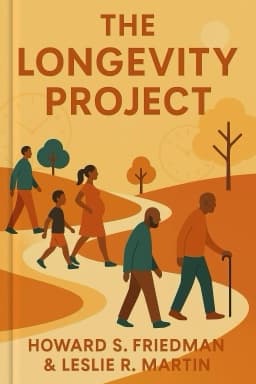
It’s a message we hear from childhood: stay positive, look on the bright side, and everything will work out. But what if relentless optimism is actually putting your health at risk? According to 'The Longevity Project,' the most cheerful kids weren’t the ones who made it to old age. Instead, their sunny outlook often led them to ignore danger, take unnecessary risks, and overlook important health warnings.
The Problem with Too Much Positivity
Optimism is wonderful, but unchecked, it can become a liability. The research found that those who were always upbeat sometimes failed to plan for setbacks or heed warnings, believing that things would always turn out fine. This attitude led to more accidents, poor health choices, and even premature death.
The Quiet Power of Worry
While excessive anxiety is harmful, a moderate level of concern can be a lifesaver. The study showed that people who worried just enough were more likely to visit doctors, follow medical advice, and avoid risky situations. In fact, a little worry motivated them to take preventive action, which paid off over the decades.
How to Find the Right Balance
So, what’s the secret? It’s about balance. Embrace optimism, but stay realistic. Allow yourself to acknowledge risks and prepare for them. Build routines that encourage healthy vigilance—regular checkups, safe driving, and thoughtful decision-making.
Modern Insights and Practical Tips
Recent psychology research supports these findings: resilience comes from facing reality, not denying it. Mindfulness, self-reflection, and supportive relationships help us stay grounded while still looking forward with hope.
In the end, the healthiest lives belong to those who blend optimism with caution, joy with responsibility. It’s not about being less happy—it’s about being wisely happy. So go ahead, smile at the future—but keep an eye on the road ahead.
Sources: The Longevity Project book, NYTimes review, modern psychology journals
Want to explore more insights from this book?
Read the full book summary