
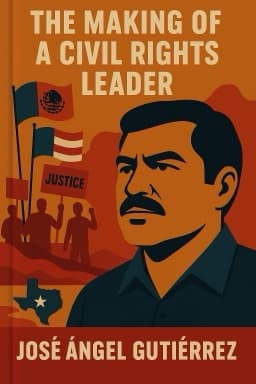
Cooking Up Change: How Food and Culture Fueled a Movement
Discover the surprising role of traditional cooking and outdoor life in strengthening the Chicano Movement.

Introduction: More Than Just Food
Food is a powerful connector, weaving together culture, memory, and community. In the Chicano Movement, cooking and outdoor life were not just daily routines but acts of cultural preservation and political solidarity. José Angel Gutiérrez’s experiences reveal how traditional recipes and field cooking skills became symbols of identity and resilience.
Learning Tradition: Cooking and Survival Skills
From a young age, Gutiérrez learned to kill, dress, and cook animals outdoors, lessons passed down from his grandmother. These skills were practical but also deeply cultural, connecting him to his heritage and teaching responsibility and independence.
Political Cookouts: Food as a Tool for Organizing
Shared meals became central to political organizing. Cookouts after football games or rallies served as fundraisers and morale boosters, bringing volunteers together in warmth and camaraderie. Women’s labor in cooking was crucial, and men who contributed gained respect and influence.
The act of breaking bread fostered solidarity, making activism a lived, communal experience.
Adapting Culture Across Borders
Even when moving across states and facing new environments, traditional cooking remained a constant. Adapting recipes to new ingredients and climates reflected the resilience and creativity of the community, preserving identity despite change.
Conclusion: Nourishing the Soul of Resistance
The connection between food, culture, and activism reminds us that social movements are sustained not just by ideas but by human connection and shared experience. Cooking and community nurtured the spirit of resistance and provided the strength to continue the fight for justice.
José Angel Gutiérrez’s story teaches us that sometimes, the most revolutionary acts happen around a fire, with food, laughter, and the bonds of culture.
Want to explore more insights from this book?
Read the full book summary