
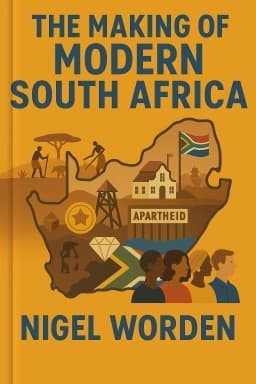
Apartheid Unmasked: The Laws That Divided a Nation and the Courage That Defied Them
A deep dive into the legal architecture of apartheid and the powerful resistance movements that challenged it.

Following the economic transformations of the Mineral Revolution, South Africa entered a period of systematic racial segregation codified into law.
Pass laws, initially designed to regulate labor migration, expanded to control the movement of black South Africans within cities and towns. Africans were required to carry passbooks at all times, subject to police checks and arrest for infractions. These laws severely limited freedom and were a source of constant fear and humiliation.
The Separate Amenities Act legally mandated racially separate public facilities, from parks to transportation, embedding segregation into everyday life. White and black South Africans lived apart, shopped separately, and accessed different quality services.
This era underscores the power of collective courage in the face of systemic injustice and the importance of legal frameworks in shaping social realities.
The next blog will explore the intensification of apartheid and the creative resistance movements that sustained hope through dark times.
Want to explore more insights from this book?
Read the full book summary