
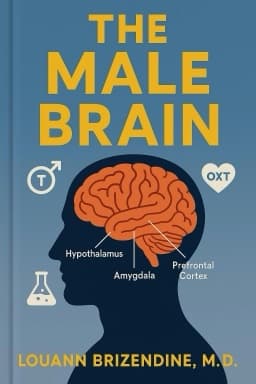
The Male Brain and Emotional Expression: Breaking the Stoic Stereotype
Why men hide feelings and how biology and culture shape male emotional life

Men have long been stereotyped as stoic and unemotional, but science tells a more nuanced story.
Despite cultural pressures, the hormone oxytocin encourages men to seek closeness, trust, and physical affection. This biological drive often conflicts with social norms that discourage men from openly expressing feelings, creating internal tension.
Brain imaging shows that men process emotional pain differently than women, activating alternative neural circuits. This can result in less visible signs of distress, contributing to the under-recognition of male depression and emotional struggles.
Understanding these biological and cultural factors opens pathways for men to embrace fuller emotional lives, improving mental health and relationships.
Sources: Blinkist summary of The Male Brain 1 , New York Times review 2 , Amazon book insights 4
Want to explore more insights from this book?
Read the full book summary