
Behind the Curtain: Media Mastery and the Manufacture of Power in Putin’s Russia
How state media and propaganda transformed a relatively unknown politician into a symbol of strength and stability.

In the modern political arena, image is everything. For Vladimir Putin, the mastery of media and propaganda was central to his rise from obscurity to dominance. Unlike traditional campaigns relying on rallies and grassroots support, Putin’s ascent was orchestrated through a tightly controlled media landscape that shaped public perception and silenced opposition.
The late 1990s were a time of fear and uncertainty in Russia. A series of apartment bombings created widespread panic, and the public clamored for security and strong leadership. State media amplified Putin’s tough rhetoric, portraying him as the man who would restore order and protect the nation. This narrative contrasted sharply with the chaos and weakness of the previous decade.
Major television channels were effectively controlled by allies of Putin, ensuring favorable coverage and marginalizing dissent. Opposition candidates struggled to gain airtime or credibility. Political consultants worked behind the scenes to craft a persona that was simultaneously strong, disciplined, and relatable.
The 2000 presidential election was less a contest than a managed exercise designed to legitimize Putin’s rule. The opposition was fragmented, media biased, and public debate constrained. This approach to governance — often termed 'managed democracy' — preserved the appearance of choice while ensuring continuity of power.
The success of this media strategy underscores the power of narrative in politics. By controlling the story told to the public, Putin’s regime shaped perceptions, limited dissent, and consolidated authority.
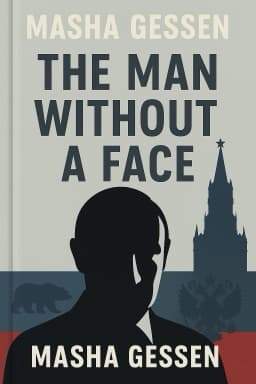
Sources: The New Tsar by Steven Lee Myers, What Is Driving Vladimir Putin? by Masha Gessen, New Statesman’s Best Books on Putin 1 3 4
Want to explore more insights from this book?
Read the full book summary