
Chaos to Control: The 1990s Russia That Made Putin a Political Phoenix
Explore the turbulent decade that plunged Russia into chaos and how it paved the way for Putin’s emergence as a stabilizing force.

The 1990s were a decade of profound upheaval for Russia. The collapse of the Soviet Union unleashed forces that left the country politically fractured, economically devastated, and socially disoriented. Boris Yeltsin’s presidency was marked by erratic decisions, declining health, and a loss of public confidence. Hyperinflation wiped out savings, unemployment soared, and inequality deepened.
Amid this chaos, a new class of oligarchs emerged — businessmen who capitalized on privatization to amass vast fortunes. Their influence extended into politics and media, shaping public discourse and political outcomes. The public’s growing disillusionment with democracy and reform created fertile ground for a leader promising stability and national pride.
Putin, a former intelligence officer, entered this landscape with a reputation for discipline and loyalty. His rise was not sudden but carefully orchestrated through key appointments and alliances. The tragic apartment bombings of 1999, which terrorized the nation, became a catalyst for his tough-on-terror rhetoric, positioning him as a man who could restore order.
The resignation of Yeltsin on New Year’s Eve 1999 was a surprise political masterstroke, handing Putin the advantage of incumbency. His subsequent election campaign was low-key but backed by overwhelming media dominance and a fragmented opposition. The result was a decisive victory that marked the beginning of a new era.
This period reveals the interplay of desperation, power, and strategy that defined Russia’s transition. It underscores how instability can create openings for authoritarian consolidation and how public yearning for order can override democratic ideals.
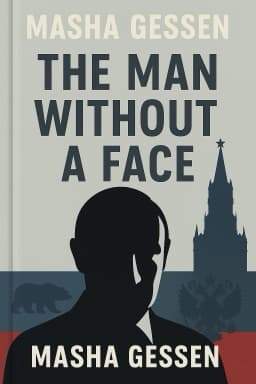
Sources: The New Tsar by Steven Lee Myers, Putin and the Rise of Russia by Michael Stürmer, New Statesman’s Best Books on Putin 1 2 4
Want to explore more insights from this book?
Read the full book summary