
The Secret Lives of Algorithms: How Machine Learning Shapes Everything You Do
From Morning Coffee to Midnight News—You’re Living in an Algorithmic World

From Morning Coffee to Midnight News—You’re Living in an Algorithmic World
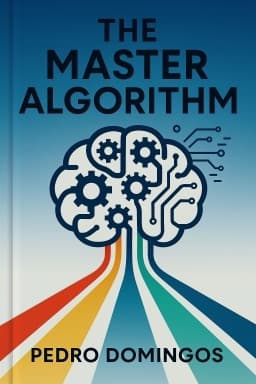
It’s easy to overlook the invisible forces that guide our daily lives. Yet, every swipe, click, and search you make is quietly processed by algorithms that have learned your habits, preferences, and even your moods. Pedro Domingos’ 'The Master Algorithm' offers a behind-the-scenes tour of this digital choreography, showing how machine learning systems have become our silent partners from dawn to dusk. Your email’s spam filter, your Netflix queue, your GPS navigation—all are powered by learning algorithms that adapt to you and millions of others in real time.
These algorithms deliver enormous convenience and efficiency. They save us time, introduce us to new ideas, and even help doctors diagnose diseases earlier. But as Domingos and recent experts warn, they also raise tough questions. When an algorithm decides which job applicants to interview or which news stories to highlight, it can unintentionally reinforce biases and limit our choices. The complexity of modern AI means that even their creators may not fully understand how decisions are made—a challenge for accountability and fairness. Recent controversies over facial recognition, credit scoring, and social media manipulation underscore the need for greater transparency and ethical oversight.
As we move deeper into an algorithmic age, Domingos urges us to become more than passive consumers. We must question, understand, and help shape the systems that influence our lives. The algorithms may be invisible, but their impact is anything but. The next time your phone suggests a new playlist, remember: you’re not just listening to music—you’re listening to the future, one algorithm at a time.
Cited sources: 'The Master Algorithm', reviews on Towards Data Science, and contemporary AI ethics discussions 2 3
Want to explore more insights from this book?
Read the full book summary