
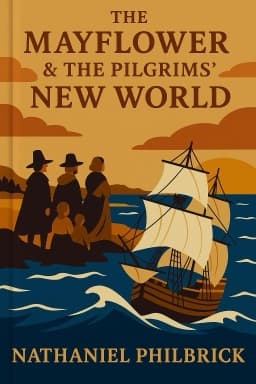
The Mayflower Compact: How 41 Men Changed the Course of Democracy Forever
Discover the revolutionary document that laid the groundwork for democratic governance in America.

In November 1620, as cold winds swept over the deck of the Mayflower, forty-one men gathered in cramped quarters to sign a document that would echo through history. The Mayflower Compact was not merely a piece of parchment; it was a radical declaration of self-governance and mutual responsibility.
Landing outside the bounds of their original patent, the Pilgrims faced a legal vacuum. Without clear authority, disorder threatened the fragile colony. The Compact was their answer: a social contract binding them into a 'civil body politic' for the good of the colony.
This agreement was inclusive, signed by both religious separatists and 'strangers'—investors and adventurers with different backgrounds and beliefs. It established the principle that laws would be made by the community's consent and obeyed for the general good. This was a groundbreaking concept at a time when monarchies ruled with absolute power.
The ceremony itself was solemn and symbolic. Men who had endured months of hardship recognized the necessity of unity and cooperation. John Carver was chosen as governor, tasked with guiding the colony through uncertain times.
The Mayflower Compact laid the foundation for democratic governance in America. It was a testament to the Pilgrims’ faith not only in God but in each other, embodying ideals of consent and collective responsibility that continue to shape American political thought.
Understanding this document enriches our appreciation of democracy’s roots and reminds us that governance begins with the willingness of people to come together for a common purpose.
Want to explore more insights from this book?
Read the full book summary