
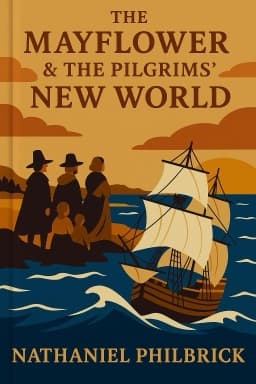
Unveiling the Untold Truths of the Pilgrims: What History Books Don’t Tell You
Dive deep into the real story behind the Pilgrims’ journey, their struggles, and the complex legacy they left behind.

The story of the Pilgrims is often simplified into a neat narrative of faith, survival, and Thanksgiving celebrations. Yet, beneath this familiar tale lies a complex saga of courage, hardship, cultural collision, and resilience that shaped the foundation of American society. Journey with us as we peel back the layers of history to reveal the real Pilgrims' saga.
Our story begins with a group of English separatists who sought religious freedom and a new life across the Atlantic. Their voyage aboard the Mayflower was fraught with danger, from sabotage aboard the Speedwell to storms that threatened to swallow the ship whole. Yet, through faith and perseverance, they crossed the ocean, arriving far north of their intended destination.
Once ashore, the Pilgrims faced a legal void. They had landed outside the bounds of their patent, prompting the creation of the Mayflower Compact—a pioneering social contract that established self-governance and mutual consent among settlers. This document was signed by 41 men, uniting both religious separatists and 'strangers' under a common cause. It was a radical step toward democracy, emphasizing order and cooperation in an uncertain land.
But the land was not empty. Before their arrival, devastating plagues introduced by Europeans had wiped out up to 90% of the Native population, leaving abandoned villages and shifting power among tribes. Among the survivors was Squanto, whose unique experience as a captive and interpreter became vital to the Pilgrims’ survival.
The first encounters between Pilgrims and Native Americans were tense and fraught with misunderstanding. A surprise skirmish known as the First Encounter demonstrated the fragile nature of these early relations, while acts like the Pilgrims’ desperate theft of corn complicated trust. Yet, through diplomacy and spiritual rituals, a fragile peace was forged with leaders like Massasoit, whose treaty ensured mutual protection and alliance.
The brutal first winter tested the colony’s endurance, claiming over half of the settlers. Native aid, especially in farming techniques like planting corn with fish fertilizer, was crucial to their survival. As the colony grew, internal tensions emerged between original Pilgrims and newcomers, necessitating defensive walls and evolving governance structures.
Decades later, rising tensions over land and cultural differences ignited King Philip’s War, a devastating conflict that reshaped New England. Yet, even in this dark time, stories of compassion and cooperation endured, highlighting the complexity of human relationships beyond conflict.
Reflecting on the Pilgrims’ legacy reveals a story of resilience, faith, and the importance of coexistence. It challenges popular myths and invites us to embrace the nuanced history that continues to inform our understanding of community and identity today.
By exploring these truths, we honor the Pilgrims’ journey and learn lessons vital for our shared future.
Want to explore more insights from this book?
Read the full book summary