
Shakespeare’s Plays Made Ridiculously Easy to Memorize (No Joke!)
How absurd images and memory palaces turn Shakespeare’s complex plays into unforgettable mental stories.

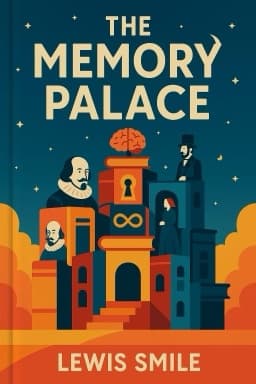
Memorizing Shakespeare’s plays is often seen as a herculean task — complicated titles, archaic language, and endless characters. But what if you could turn this challenge into a fun, absurd mental game? The Memory Palace technique makes this possible by transforming dry titles into vivid, bizarre, and humor-filled images anchored in familiar places.
Take 'Henry VI' parts 2, 3, and 1, for example. Instead of trying to remember the order, picture a giant hen blocking your bathroom door, laying eggs in the sequence 2, 3, 1. This absurd, sensory-rich image sticks far better than rote repetition. Similarly, 'Titus Andronicus' becomes a nervous wizard balancing on a tightrope, a scene so unusual it sears into your memory.
Humor and emotional engagement are essential. Imagine a three-headed Richard Nixon shouting famous lines or a woman giving birth on your doorstep with the baby flying like a missile. These bizarre images create strong emotional connections that your brain loves to encode.
Breaking down complex titles into fragments and associating them with symbolic images makes even the most difficult plays manageable. For 'Much Ado About Nothing,' picture a chaotic wedding where some twins shout 'I do!' while others remain silent, creating a memorable contrast.
By placing these images along a familiar mental route—a hallway, your home, or a walk—you create a mental journey where each stop holds a vivid scene representing a play. This spatial anchoring leverages your brain’s natural navigation skills, making recall effortless.
This playful, imaginative approach turns memorization from a chore into an adventure. It’s perfect for students preparing for exams, actors learning lines, or anyone wanting to appreciate Shakespeare’s works more deeply.
Embrace the absurd, harness your imagination, and watch as Shakespeare’s plays come alive in your mind like never before.
References: This blog draws on Lewis Smile’s Memory Palace techniques and cognitive science research on humor and memory encoding.
[[0]](#__0) [[1]](#__1)
Want to explore more insights from this book?
Read the full book summary