
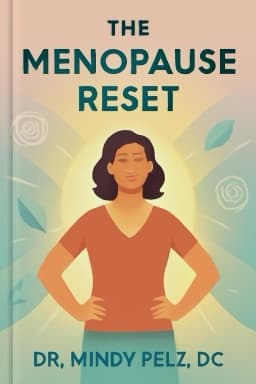
Unlocking the Menopause Reset: How to Feel Younger and Thrive After 40
Discover the revolutionary strategies to conquer menopause symptoms and reclaim your vitality with science-backed lifestyle changes.

Menopause is often portrayed as a dreaded phase marked by uncontrollable hot flashes, mood swings, and weight gain. But what if you could rewrite this narrative? What if menopause could be a time of renewal and empowerment instead of decline?
Hormones during menopause do not simply decline steadily; they fluctuate wildly, causing the emotional and physical symptoms many women face. This roller coaster effect is driven by a complex hierarchy where oxytocin, cortisol, and insulin influence the sex hormones estrogen, progesterone, and testosterone. By learning to calm this hormonal chaos, you can regain control over your body and mind.
One of the most powerful tools recommended is intermittent fasting. This ancient practice resets insulin, stimulates growth hormone production by over 1,300%, and activates autophagy — the body’s cellular self-cleaning process. By fasting strategically, such as 13-15 hour daily fasts or occasional 36-hour fasts, women can reduce inflammation, improve metabolism, and enhance brain clarity.
But fasting works best when paired with a ketobiotic diet — a low-carb, moderate-protein, high-fat nutrition plan tailored to support hormone production. Keeping net carbohydrates under 50 grams daily, moderating protein intake, and emphasizing healthy fats like olive oil and avocado create the ideal environment for hormonal harmony. Eating in tune with your menstrual cycle further fine-tunes this balance, reducing symptoms and promoting vitality.
Your gut microbiome plays a critical role as well. The estrobolome, a group of bacteria specialized in metabolizing estrogen, influences how your body processes this hormone. Supporting microbial diversity through probiotic and prebiotic foods enhances estrogen metabolism and reduces menopausal discomfort.
Detoxification is another essential pillar. Toxic chemicals like PFAs and endocrine disruptors accumulate silently, blocking hormone receptors and worsening symptoms. Techniques such as dry brushing, infrared sauna, coffee enemas, and binders help clear these toxins safely, restoring hormonal responsiveness.
Modern biohacking therapies like red light and PEMF (pulsed electromagnetic field) therapy offer cellular-level healing by boosting mitochondrial function, reducing inflammation, and stimulating tissue repair. These tools complement lifestyle changes to accelerate rejuvenation.
Managing stress is crucial. Chronic cortisol elevation suppresses sex hormones and fuels the 'rushing woman syndrome'—a state of constant busyness that harms health. Mindfulness, meditation, and boosting oxytocin through connection and self-care restore balance.
Finally, building a personalized menopause toolbox by combining testing, diet, fasting, detox, stress management, and biohacking empowers you to navigate menopause with confidence and vitality.
Menopause is not the end but a new beginning. With knowledge, tools, and community support, you can embrace this phase as a time of strength, renewal, and joy.
Want to explore more insights from this book?
Read the full book summary