
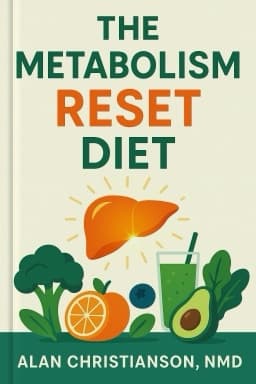
Why Most Diets Fail: The Hidden Role of Your Liver in Metabolic Health
Explore the science behind diet failures and how restoring liver function can reboot your metabolism for good.

Have you ever wondered why despite your best efforts, diets often fail to deliver lasting results? The answer lies deep within your body, in an organ that quietly controls your metabolism: the liver.
The liver performs over 500 vital functions, including filtering blood, storing nutrients, converting hormones, and detoxifying harmful substances. When the liver becomes overloaded with triglycerides—fat molecules that accumulate from excess calories and processed foods—it loses its ability to burn fat effectively, leading to metabolic inflexibility.
Metabolic flexibility is the body’s ability to switch fuel sources between carbohydrates and fats depending on availability and energy needs. When this flexibility is impaired, you may experience blood sugar crashes, intense cravings, fatigue, and difficulty losing weight.
The liver detoxifies in two key phases: activation, which chemically modifies toxins, and conjugation, which bonds them with amino acids for safe elimination. Without sufficient protein and nutrients, conjugation falters, causing toxins to recirculate and burden the body further.
Remarkably, the liver can regenerate up to 80% of its tissue, offering hope for recovery even after damage. However, environmental toxins from indoor air pollution, plastics, and poor diet can overwhelm this capacity, making liver healing essential.
Sleep debt compounds the problem by disrupting hormone balance and gene expression related to metabolism. Chronic lack of sleep raises cortisol and appetite hormones, making weight loss even harder.
Understanding these hidden mechanisms explains why calorie restriction alone is often ineffective. Healing your liver through targeted nutrition, detox support, sleep restoration, and gentle exercise is the true path to resetting your metabolism and achieving lasting health.
Next, we will explore practical steps to prepare your environment and mindset for this transformative journey.
Sources: The Metabolism Reset Diet book, Amazon reviews, integrative health articles. 1 2 3
Want to explore more insights from this book?
Read the full book summary