
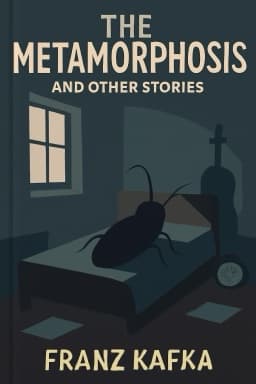
Unlocking The Kafkaesque: How The Metamorphosis Created a New Genre of Anxiety
From Bureaucratic Nightmares to Everyday Absurdity—Why We Keep Using Kafka’s Name

Introduction: The Birth of a Word
Before Kafka, there was no word for the peculiar mix of helplessness, confusion, and dread that now bears his name. Today, ‘Kafkaesque’ describes not only literary style but a whole spectrum of modern experiences—from the surreal to the maddeningly bureaucratic. But what exactly does it mean, and why did The Metamorphosis become its blueprint?
What Makes Something Kafkaesque?
At its heart, the Kafkaesque is about being trapped—by systems, by rules, by forces beyond comprehension. In The Metamorphosis, Gregor’s transformation is never explained. The world’s response is cold and illogical. No matter what he does, Gregor cannot escape his fate. This sense of powerlessness, coupled with bizarre or nightmarish circumstances, is the essence of the Kafkaesque.
Modern examples abound: trying to resolve a billing error with a faceless corporation, navigating government bureaucracy, or feeling invisible in a crowded city. Kafka’s influence can be seen in films like Brazil, books like Catch-22, and even in memes about customer service hell.
1
3
The Ordinary Made Strange
What sets Kafka apart is his ability to make the ordinary uncanny. In The Metamorphosis, the horror is not just Gregor’s insect body, but the way his family and employer react. They follow routines, issue orders, and fill out forms as if nothing extraordinary has happened. This clash between the surreal and the mundane creates a sense of unease that readers recognize in their own lives—when the world seems out of joint, but everyone else acts as if it’s normal.
Language and Legacy
Kafka’s influence goes beyond literature. The term ‘Kafkaesque’ is now used in law, politics, and pop culture. It describes any scenario where logic breaks down and individuals are at the mercy of systems they cannot understand or control. This linguistic legacy is a testament to the universality of Kafka’s vision—and to the enduring relevance of The Metamorphosis.
2
Conclusion: Why We Need Kafka Now
In an era of digital bureaucracy, automated customer service, and social alienation, the Kafkaesque is more relevant than ever. The Metamorphosis reminds us that the true horror is not monsters or magic, but systems that make us feel powerless. By naming the Kafkaesque, we gain a tool for understanding—and perhaps resisting—the absurdities of modern life.
For further reading, check out in-depth discussions and user reflections on Reddit and Medium.
1
3
Want to explore more insights from this book?
Read the full book summary