
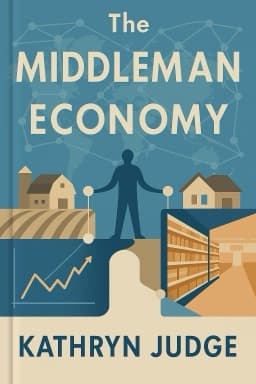
How Walmart and Amazon Became the Unstoppable Retail Titans
Unpacking the strategies behind two retail giants that reshaped shopping forever.

Step inside a Walmart supercenter or scroll through Amazon’s vast online marketplace, and you’ll witness a retail revolution that has reshaped how we shop and what we expect.
Walmart’s strategy centered on offering everything under one roof at rock-bottom prices. By investing in proprietary trucking fleets, distribution centers, and sophisticated IT systems, Walmart reduced costs and passed savings to consumers. Their aggressive negotiations with suppliers forced many to streamline operations and cut prices, reshaping entire industries.
Amazon took disruption further by leveraging digital technology. Its marketplace model combines Amazon’s inventory with millions of third-party sellers, offering unparalleled choice. Customer reviews, personalized recommendations, and fast shipping through Amazon Prime create a seamless experience that keeps consumers coming back.
Both companies have become major employers and economic forces. Walmart employs 1.5 million people in the U.S., and Amazon controls over half of the U.S. e-commerce market. Their dominance sets new baselines for price, convenience, and selection.
However, this power comes with trade-offs: supplier pressure, labor concerns, and reduced competition raise important questions. Consumers benefit from low prices but may also face data privacy issues and reduced market diversity.
Understanding these dynamics helps consumers and policymakers navigate the evolving retail landscape and consider how to balance innovation with fairness.
Sources: Retail market data, interviews, and economic analyses from the book and related reports 1 , 2 , 3
Want to explore more insights from this book?
Read the full book summary