
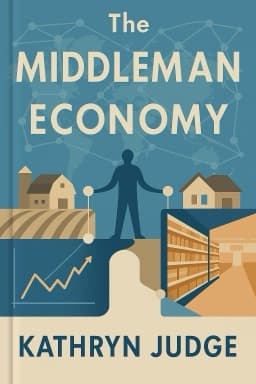
The Hidden Forces Behind Housing Inequality: How Middlemen Shape the American Dream
Explore the complex web of middlemen influencing homeownership, wealth, and systemic inequality in America.

Owning a home is often seen as a cornerstone of the American Dream, but beneath this ideal lies a complex network of middlemen who influence who gets to buy, how much they pay, and the wealth they can accumulate.
Real estate agents operate within the Multiple Listing Service (MLS), a system that controls home listings and commissions, typically 5-6% of the sale price. This fee structure incentivizes cooperation but can inflate costs and limit competition.
Mortgage finance evolved with securitization, allowing banks to sell loans to investors, spreading risk but adding complexity. This innovation expanded access but also contributed to the 2008 financial crisis.
Discriminatory practices such as redlining and loan denials disproportionately affected Black and Hispanic families, limiting homeownership and wealth accumulation. Today, these disparities persist, with the median white household holding nearly ten times the wealth of the median Black household.
Market concentration among large financial institutions and brokerages further entrenches these inequities, making it harder for marginalized communities to access affordable, quality housing.
Understanding these hidden forces is essential for advocating policies that promote fair access, transparency, and equity in housing markets.
Sources: Housing market studies, government reports, and book analysis 1 , 2
Want to explore more insights from this book?
Read the full book summary