
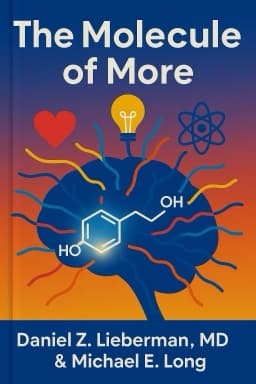
Addicted to Progress: How Dopamine Drives Innovation—and Obsession
The Surprising Link Between Genius, Addiction, and the Human Drive for More

The Surprising Link Between Genius, Addiction, and the Human Drive for More
What do Steve Jobs, Vincent van Gogh, and countless anonymous inventors have in common? They were all driven by the relentless force of dopamine. This molecule is responsible for humanity’s greatest leaps—new technologies, masterpieces of art, and revolutions in thought. But the same chemistry that powers innovation can also lead to obsession, addiction, and even madness.
High dopamine activity makes people more likely to see connections between unrelated ideas, fueling creativity and problem-solving. But it also increases risk-taking and the urge to break boundaries. Many creative geniuses have walked a fine line between brilliance and instability. Studies show that families of highly creative people are more likely to experience mental illness—especially disorders involving excess dopamine, like schizophrenia and bipolar disorder. 3
Innovation is addictive. The thrill of discovery, the rush of a breakthrough, and the drive to solve unsolved problems all trigger dopamine surges. But as with any addiction, the pleasure fades, and the craving for the next big thing takes over. This is why many entrepreneurs and artists struggle with burnout, compulsive work habits, or even substance abuse.
So how can you harness dopamine’s power without falling into its traps? The key is balance. Celebrate your achievements, but don’t let the chase consume you. Build routines that include rest, reflection, and social connection. Remember that the greatest innovations come not just from restless ambition, but from the ability to pause, recharge, and find meaning in the present.
Conclusion: Mastering the Molecule of More
Dopamine is the double-edged sword of human progress. It pushes us to dream bigger, think bolder, and reach further—but it can also lead us astray. By understanding its power and learning to balance ambition with well-being, you can unlock your full creative potential without losing yourself in the process.
For more on the science of creativity and addiction, see Shortform’s analysis and this thoughtful review. 3 4
Want to explore more insights from this book?
Read the full book summary