
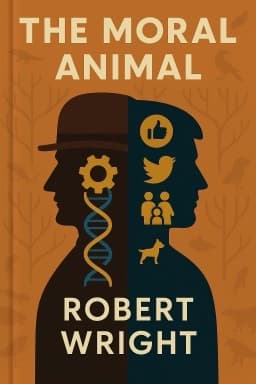
7 Surprising Ways Evolution Still Shapes Your Love Life
What Darwin Didn’t Tell You About Tinder, Jealousy, and True Love

What Darwin Didn’t Tell You About Tinder, Jealousy, and True Love
Swipe right, swipe left—think you’re making a modern choice? Think again. According to Robert Wright’s ‘The Moral Animal,’ every moment of attraction, every pang of jealousy, and every awkward first date is shaped by evolutionary forces as old as humanity itself. Here are seven ways evolution is still running the show in your love life—even if you’re not aware of it.
- Why Men and Women Want Different Things: Wright explains that men’s and women’s mating strategies diverged because of the different costs and benefits of reproduction. Men’s reproductive success increased with more partners, while women’s depended on finding reliable support. This is why, even today, men may be more open to casual encounters, while women tend to seek stability and commitment.
- Hidden Signals: The Mystery of Ovulation: Unlike many animals, human females don’t openly display when they are fertile. This ‘cryptic ovulation’ keeps men guessing and invested, influencing everything from flirting styles to commitment anxiety.
- The Double Standard Dilemma: The Madonna-whore dichotomy isn’t just cultural—it’s ancient. Across societies, women’s sexuality is policed more strictly than men’s, a pattern rooted in evolutionary risks and rewards.
- Why Jealousy Hurts So Much: Jealousy isn’t just insecurity; it’s an evolved response to threats of infidelity and lost resources. Wright shows how jealousy can be both destructive and, paradoxically, a signal of commitment.
- Ghosting and the Short-Term Game: The rise of dating apps has made it easier to pursue short-term strategies. But when someone disappears after a few dates, it often reflects ancient instincts—testing for better options, or avoiding costly investment.
- Romantic Altruism: Why We Sacrifice for Love: Acts of devotion, from grand gestures to everyday kindness, are signals of long-term intent. These behaviors evolved to build trust and secure lasting partnerships.
- Love’s Paradox: Freedom and Bonding: Our desire for novelty clashes with our longing for lasting connection. Wright suggests that understanding this tension can help us navigate modern love with more empathy and fewer regrets.
By recognizing these ancient scripts, we can approach romance with greater self-awareness, patience, and compassion. ‘The Moral Animal’ doesn’t just explain why love is hard—it shows how understanding our evolutionary past can help us write a better romantic future. 1 2
Want to explore more insights from this book?
Read the full book summary