
The Hidden Logic of Family Drama: Why Sibling Rivalry and Favoritism Make Sense
How Evolutionary Psychology Explains the Joys and Struggles of Family Life

How Evolutionary Psychology Explains the Joys and Struggles of Family Life
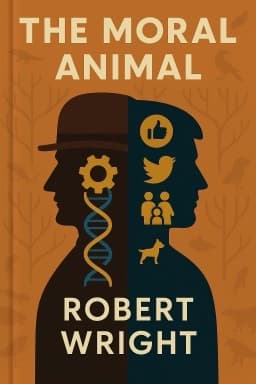
Ever felt like your parents treated your sibling better? Or wondered why you and your brother can go from best friends to bitter rivals in seconds? ‘The Moral Animal’ offers a radical new perspective: these family dramas aren’t just personal—they’re evolutionary. Wright explains that our family bonds are shaped by the logic of kin selection: we’re wired to care deeply for those who share our genes, but also to compete with them for limited resources. This explains why parental favoritism is so common, even if parents deny it. Studies show that parents unconsciously invest more in children who are healthier or more promising, maximizing the odds that their genes will thrive.
Sibling rivalry, meanwhile, is universal. From birds shoving each other out of the nest to kids fighting over toys, competition among siblings is a natural outcome of evolutionary pressures. But it’s not all conflict—siblings can also be powerful allies, especially when cooperation increases the family’s overall success. The push and pull between rivalry and alliance is as old as family itself.
Understanding these patterns doesn’t excuse bad behavior, but it can help us forgive old wounds and find peace. Family life is a balancing act between love and competition, shaped by forces we rarely see. With this knowledge, we can approach family challenges with more empathy and less blame. 1 2
Want to explore more insights from this book?
Read the full book summary