
The Hidden Costs of Clutter: Why Minimalism Is the Ultimate Life Hack
How shedding possessions can boost your mental clarity and productivity.

Clutter is more than just a mess—it’s a thief of your mental energy and productivity. Studies show that living in a cluttered environment increases stress and anxiety, making it harder to focus and make decisions. The constant visual noise overloads your brain, leading to fatigue and reduced creativity.
Minimalism offers a powerful antidote. By reducing possessions, you reduce the mental load that comes with managing, organizing, and deciding about things. The 80/20 rule applies here: we use only 20% of our possessions 80% of the time. Identifying and keeping only what is essential frees your mind to focus on what truly matters.
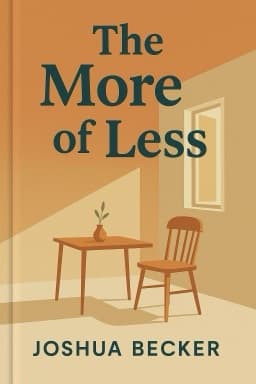
Joshua Becker and other minimalist thinkers emphasize starting small. Clearing a single drawer or your car of unnecessary items can create an immediate sense of calm. Experimentation, like the 29-day box test, helps overcome emotional attachment by proving you can live without certain items.
Developing habits such as daily tidying, scheduled decluttering, and mindful consumption prevents clutter from creeping back. Shopping bans reset consumer impulses, helping you break the cycle of unnecessary acquisition.
Minimalism is not about perfection but progress — a lifestyle choice that enhances your mental clarity, emotional well-being, and overall productivity. It’s the ultimate life hack for anyone seeking more focus, peace, and purpose in a noisy world.
Ready to reclaim your mind and space? Start today by choosing one area to simplify and watch how your life transforms.
Sources: Develop Good Habits, TCK Publishing, Cara Chace Blog 1 2 3
Want to explore more insights from this book?
Read the full book summary